
POST MORTEM MOVIES
The use of AI for reproducing deceased Hollywood stars for major roles, pose us facing moral and ethic dilemmas rightnow

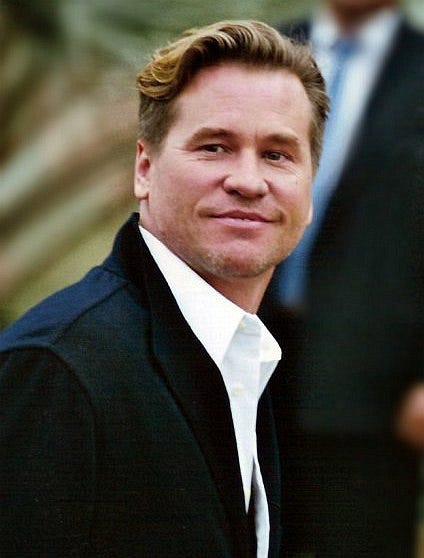
When we talk about the paradigm shift that involves mass digitalization and artificial intelligence general deployment, we tend to talk about the future and not, the truth is that we should talk about the most immediate present. Here we have the first announcement of a deceased Hollywood star, whose heirs have agreed to facilitate his reproduction by AI for more than a mere cameo, supposedly respecting the will of the actor (it is known that Val Kilmer wanted to star in this film in life, but nothing is expressed about this exceptional situation).
What does the (to be) regulation addressing this issue say regarding the use of AI for the use of voice or post morten image for artistic purposes? In general, all agree to prohibit it except express authorization of the deceased OR HIS HEIRS.
As examples, some well-known bills on the subject:
- Denmark's bill requires "express consent" for the use of realistic digitally generated imitations and extends this protection up to 50 years after the holder's death. By prolonging the right after death, the rule in practice refers to heirs or legal representatives the power to grant or deny such consent during that half-century.
- In Mexico, an initiative to reform the Federal Copyright Law stipulates that it is "intellectual property rights holders" who can oppose the cloning or reproduction of their voices through #AI . After death, the ownership of these rights rests with their heirs.
- Tennessee law (#ELVISAct - by far my favorite name of a law ever), addresses the issue by turning voice and image into an explicitly inheritable property right, leaving legal control and commercial authorization exclusively to the estate (estate) or heirs of the deceased artist.
- The most prominent case is that of the Preliminary Draft Organic Law on the Civil Protection of the Right to Honor, Personal and Family Privacy and Spain's Own Image. This future rule extends the protection of deceased persons by incorporating the possibility for the person himself to expressly prohibit by will (or through a person designated for it in life) the use of his image or voice for commercial or similar purposes after his death. This means that the deceased’s previously expressed wishes prevail and constitute a legal limitation, preventing the heirs from giving consent where the will contains a prohibition.
For my part, I find it hard to accept that a lead actor’s image and voice in a film should be treated in the same way as other post-mortem authorizations left to the heirs’ discretion, given all the implications this entails.
What do you think?